You’ve probably heard about your Circadian Rhythms and how you can Cycle Sync for better hormone health, but did you know both of those practices live under a larger umbrella term called Chronobiology?This post dives deep into the study of our biological rhythms, known as Chronobiology.
For 50,000 years, we lived based on our inner clocks. We rose with the sun, spent most of the day outside, and slept in total darkness. Then, in 1879, Thomas Edison invented the lightbulb and as Michael Breus states in his book, The Power of When, “night became optional.” Technological advances increased exponentially. Cars and planes were invented in 1886 and 1903 respectively, and traveling multiple time zones in one day – something never before experienced – became widespread. Hello, jet lag!
Fast forward to 1983 when the internet was invented, 1997 when Netflix started, and 2007 when the iPhone launched, and we now have a culture of constant connectivity with zero regard for the natural rhythms of night and day and how they affect our bodies. The result – our WHEN is way off and most Americans are experiencing some degree of chronic circadian rhythm disruption, also called chronodisruption or “modern jet lag.” More on that shortly.
What is Chronodisruption?
Chronodisruption is a desynchronization of our internal clocks – one of which is our circadian rhythm. Our bodies THRIVE on routine and consistency in addition to alignment with natural elements – the sun, moon, and the seasons. Therefore, chronodisruption occurs as a result of many factors of modern life including irregular sleep schedules (going to bed early during the week and late on the weekends), eating around the clock and late at night, screen time and bright light exposure at night, lack of natural daylight and sunlight during the day, chronic stress and anxiety, and caffeine and alcohol later in the day. Espresso martini late on a Saturday night, a hard pass for me.
Chronodisruption has been linked to lowered immunity and increased risk of developing conditions such as PCOS, irregular menstrual cycle, infertility, GI issues, obesity, diabetes, cancer, CVD/HTN, ADHD, anxiety, depression, Alzheimer’s, autoimmune disorders, and more.
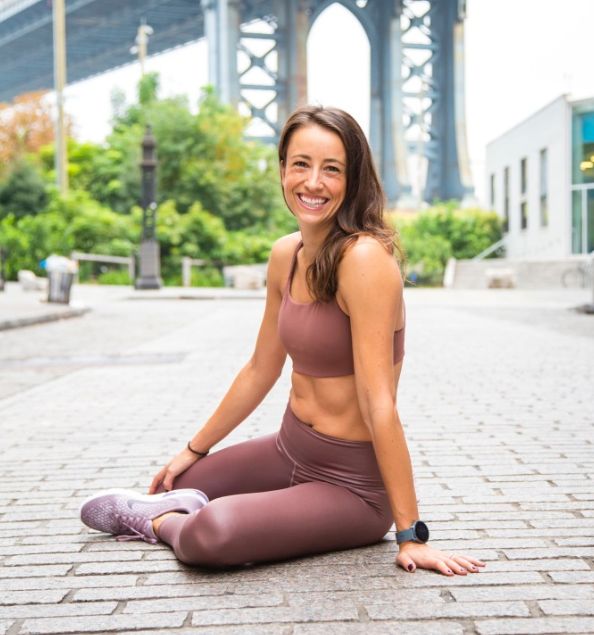
To fix chronodisruption and optimize our health, we first need to understand our body’s biological rhythms and then live to learn in sync with them. And I promise this is possible without moving to a cabin in the woods! I live in Brooklyn, NYC (with a toddler!) and still manage to live in sync with my biorhythms daily.
What is Chronobiology?
Chronobiology is the study of biological rhythms in living organisms like plants and animals. The five primary biological rhythms are as follows.
- Diurnal: a diurnal rhythm is the difference between night and day. Diurnal animals are primarily awake and active during the day, while nocturnal animals are usually awake and active at night. Humans are diurnal, while animals such as rodents, bats, and owls are nocturnal.
- Ultradian: An ultradian rhythm is a cycle that is less than 24 hours but more than an hour. Some examples of ultradian rhythms include our ability to focus for only 2-3 hours at a time, blood circulation, pulse, heart rate, thermoregulation, blinking, and appetite.
- Circadian: A circadian rhythm is a roughly 24-hour cycle that coincides with the sun. The moment we see light in the morning, this cycle is reset. The cells in our body function differently throughout the day based on this rhythm. Our circadian rhythm controls many body processes, including digestion, sleep, blood pressure, metabolism, hormone production, body temperature and cellular repair.
- Infradian: An infradian cycle is longer than 24 hours. Well-known infradian rhythms include reproduction, migration, hibernation, and the human menstrual cycle.
- Circannual: The circannual rhythm is a year-long cycle and so is technically a sub-rhythm under Infradian Rhythm. Examples include a full cycle of all 4 seasons, leaf growth, and animals who shed their fur or molt.
Chronobiology Means Our Body Can Tell Time
Chronobiology is a relatively new area of research with exciting new science emerging. In 2017, the Nobel Prize in Medicine was awarded to three scientists for their discoveries of molecular mechanisms controlling the circadian rhythm – something called a clock gene. Almost every single cell in our body has a clock gene which means our body can, in fact, tell time! These inner clocks sync up with our master biological clock and our circadian rhythm and regulate critical functions such as hormone levels, sleep, body temperature, metabolism, and more. If it gets out of sync, just think of the consequences!
Chronobiology + Nutrition = Chrononutrition
So what is Chrononutrition? Chrononutrition is the intersection of diet and biological rhythms (e.g. meal timing). Chronobiology + Nutrition = Chrononutrition. The main takeaway now supported in research is that WHEN we eat is just as important, if not more than WHAT or HOW MUCH we eat. Our digestion works optimally for 8-10 hours from the first bite, peaking at noon and slowing by evening. By 9 pm, saliva and gastric acid production decrease, gut motility slows, and melatonin peaks (which further slows metabolism and digestion) as your body prepares for rest. What does this mean? Our bodies want to eat during the day and rest at night. To dive deeper into this topic, you can find more information in my Nutrition in Tune philosophy post.
Note: this is NOT intermittent fasting. This is eating with the sun and the moon and the seasons. It’s the way our bodies evolved to eat.
The Four C’s of Chronobiology
To help explain chronobiology and break it down into actionable steps you can take for optimal health every day, month, and year, I developed the 4 C’s of Chronobiology: Chronotypes, Circadian Rhythm, Cycle Syncing, and Circannual Seasons. When we live in sync with all four, we can achieve optimal health – improved energy, increased metabolism, improved immune system, enhanced creativity and focus, and balanced hormones.
1. Start by learning your Chronotype.
Chronotypes are our genetic inclination to wake and sleep at a certain time of day and night. If you’ve ever been called a night owl or a morning bird, they were talking about your chronotype. Our chronotypes are genetic (based on the length of our PER 3 gene) and are set in stone by our mid-20s. This means if you’re a night owl (also called a Wolf), your body will never want to wake up at 5 am. EVER. It’s not you, you’re not lazy, it’s your chronotype! The easiest way to learn your chronotype is with a simple quiz from Dr. Michael Breus called The Power of When Quiz. The four chronotypes I discuss here and use in my practice are based on his book, The Power of When (a great read if you’re interested in chronobiology!).
-
- Lion: Wakes before dawn, most productive before noon, asleep by 9 pm
- Wolf: Has trouble waking up in the morning and gets a second wind around 6 pm.
- Bear: Goes to sleep and rises with the sun. The majority of people are Bears.
- Dolphin: Has trouble following a sleep schedule and doesn’t usually get enough sleep. This chronotype is also for people who are one of the other three but are currently not in their normal routine; for example, new parents.
2. Now sync your circadian rhythm with your Chronotype.
Circadian Rhythm is a roughly 24-hour cycle that is tied to the sun. Learn more about your circadian rhythm here and here. Unlike our chronotypes, we CAN change our circadian rhythm – we do this every time we travel time zones or change daylight savings! The key to optimal health is to sync your 24-hour circadian rhythm with your individual chronotype so that your biological rhythms are in sync. Your chronotype is your genes, your circadian rhythm is your daily habits.
3. Now sync your daily habits with your menstrual cycle or the Moon cycles.
Syncing your Cycle involves tailoring your diet and lifestyle throughout the menstrual cycle to help support the body in the various stages and hormonal changes. A menstruator’s brain changes up to 25% throughout the cycle, so it’s no wonder we don’t feel the same every day! Our body is changing hormonally and physically every day of our cycle, so why would we change our diet and lifestyle routines as well?
*Cycle Syncing is trademarked by Alisa Vitti, the founder and creator of this method. I highly recommend her books Womancode and In the Flo for more information!
4. Lastly, change your diet and lifestyle practices with each season.
Circannual rhythms are cycles that happen yearly. Just looking outside your window throughout the year you’ll see leaves budding, growing, and falling. Birds chirping, migrating, and hatching. Flowers growing, blooming, and feeding pollinators. Nature changes seasonally, so why shouldn’t we? Eating and changing lifestyle habits seasonally. Chronobiology research has shown the various physiological changes our bodies experience throughout the seasons including:
-
- Glucose metabolism and insulin tolerance increase in the summer to accommodate all the sweet summer fruit that’s in season
- Blood pressure increases in the winter and decreases in the summer due to the constriction of arteries.
- Melatonin production increases in the winter due to longer nights and shorter days
- Most menstruators ovulate in the AM during the spring and in the PM during the winter.
- The immune system changes seasonally based on which cold and flu strains are prevalent.
Grab my free Seasonal Living Cheat Sheet here!
And there you have it! The beauty of chronobiology and chrononutrition is that it’s an incredibly instinctual way to live. Once you realize that you’re just living in sync with your body, with the sun and moon, and with the seasons, it won’t feel like another wellness trend to try on for size. It will become an intuitive way to live for the rest of your life.
If you’re interested in learning more about chronobiology and chrononutrition I recommend reading the following books:
- The Circadian Code by Satchin Panda PhD
- Why We Sleep by Matthew Walker, Steve West, et al.
- The Power of When by Michael Breus
- Life Time by Russell Foster