
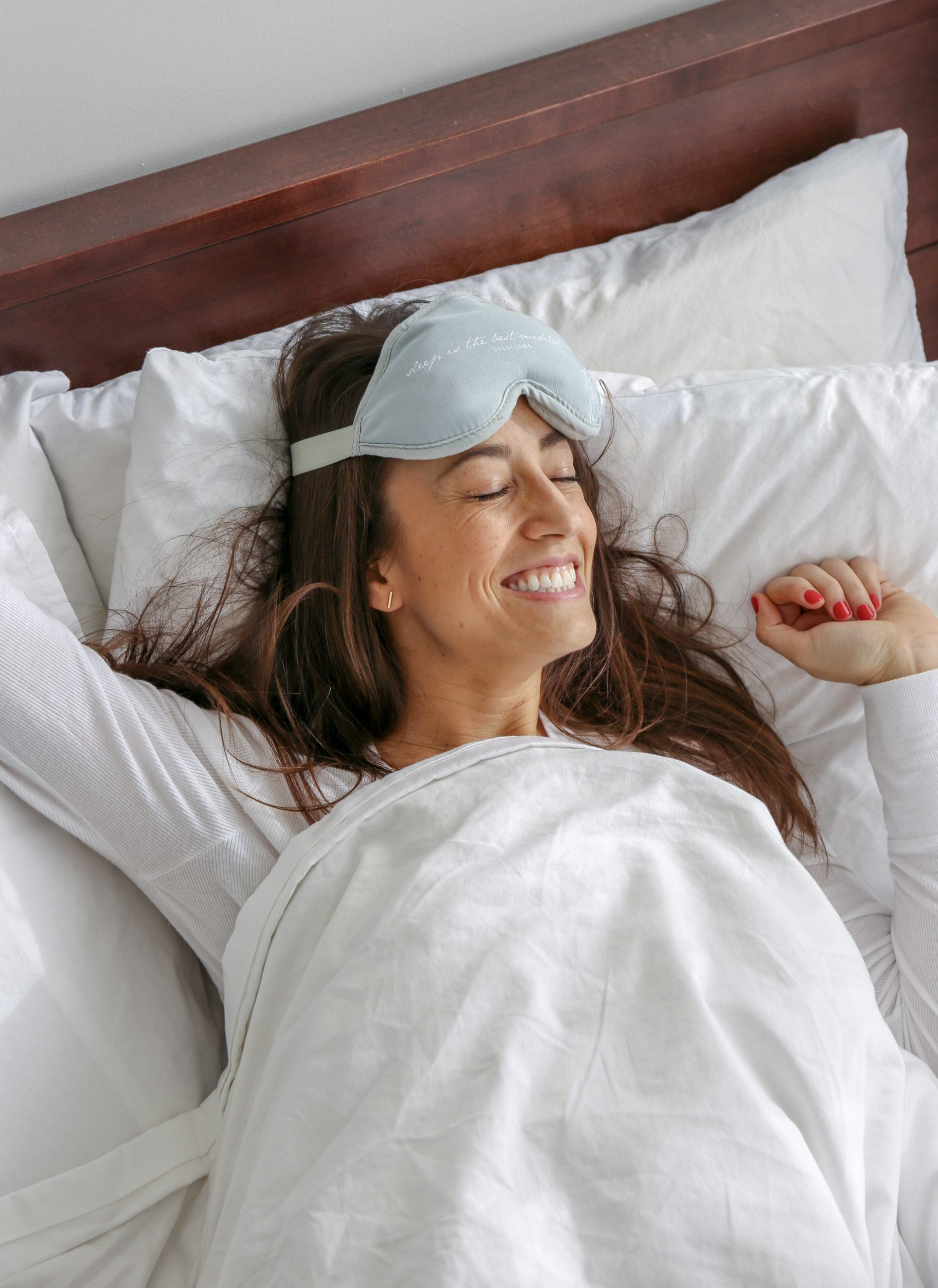
You’ve heard about your Circadian Rhythm before, but do you know how to use your chronotype for optimal health and productivity? Understanding the 4 Chronotypes can help you sync your lifestyle with your biology.
Tell me if this sounds familiar: you want to wake up earlier so you can work out and have a picture-perfect morning routine, but you always hit the snooze button three times and end up rushing out the door. It takes two hours and two cups of coffee before you can focus. You’re that friend who pushes for a 6pm dinner while everyone else is fine with a 9pm reservation. You feel like you’re always on a different schedule than everyone else.
I’ve got good news and bad news for you. The good news: It’s not YOU. You’re not lazy because you can’t wake up at 5pm to workout. You’re not “old” because you can’t stay awake past 10pm. It’s your Chronotype.
The bad news: Chronotypes are genetic, which means you can’t change it. But there are ways to live more in alignment with your Chronotype so that it becomes a superpower and not a nuisance. Once you learn to accept your Chronotype, you can take advantage of it for optimal health and productivity.
What are Chronotypes?
Chronotypes describe your body’s natural preference for when you wake and sleep. Some people rise early. Others feel alert at night. Many fall somewhere in between.
Chronotypes are genetic and influenced by variations in the PER3 gene. While babies and teenagers move through different sleep patterns, your chronotype typically stabilizes in your mid-twenties. That means some people simply aren’t built for 5am wake-ups — no matter how hard they try.
It also means that some people aren’t meant to stay up past 10pm (myself included!).
Researchers have found that chronotypes can differ by as much as 12 hours. That means some people may start getting tired at 6pm while others don’t get tired until 6am. Evolutionarily, this was advantageous to our ancestors because some people could stay up all night and keep watch, while others could wake up early to go hunting and farming.
How to find your Chronotype
So what chronotype are you? Take the quiz here to learn which of the 4 chronotypes Michael Breus has outlined in his book, “The Power of When.” Michael Breus is one of the leading experts in chronobiology and sleep, and his book is a great resource if you’re interested in learning more!
What are the 4 Chronotypes?
The four chronotypes as outlined in the “Power of When” are lion, wolf, bear and dolphin. Unlike morning bird and night owl, Michael chose mammals to represent the chronotypes since humans are mammals after-all and not birds.
- Lion – lions typically wake up before dawn, are the most productive before noon, and like to be asleep by 9 pm. This is the “morning bird” chronotype.
- Wolf – wolves have trouble waking up in the morning (some need to sleep as late as noon), they tend to get a second wind around 6pm, and have trouble winding down to go to sleep before midnight.
- Bear – bears go to sleep around 10:30pm and rise with the sun around 7am. The traditional 9-5 day is built for bears, which is a good thing considering it’s the majority of humans!
- Dolphin – Michael Breus is the first to name a fourth chronotype for those who have trouble following any sleep schedule. Dolphins don’t usually get enough sleep because they can have trouble falling asleep and staying asleep. They are very light sleepers and tend to suffer from insomnia and lack of routine. This chronotype is also for people who are one of the other three, but are currently not in their normal routine; for example, new parents.
You know your Chronotype, now what?
Why Your Chronotype Might Clash With the 9–5 World
If you’re self-employed and control your schedule, alignment is easier. However, most of us work standard hours and still want a social life. That’s where friction happens.
So can you change your chronotype?
No. But you can adjust your habits to better align with it.
This is where the real work begins. You have to start syncing with your chronotype. It’s important to understand that there are no right or wrong ways of doing this, only what works for you. But here are some suggestions:
Why are Chronotypes important?
If you know your chronotype, you can sync it with your circadian rhythm and maximize health, immunity, energy, metabolism, mood, and productivity.
Here are some of the benefits of syncing with your chronotype:
Maximizing health and immunity: Your circadian rhythm plays an important role in regulating your immune system, which means that it’s crucial to get enough sleep and avoid late nights if you want to stay healthy.
Boosting energy: The right amount of sleep will help you feel more energetic during the day, while getting too little can make you feel tired.
Lowering stress levels: Chronotypes vary from person to person, but there are some patterns that have been found across all people. For example, night owls tend to have higher levels of cortisol (the hormone associated with stress) than morning larks do. By syncing with your chronotype, you’ll be able to minimize any negative effects that come from having an atypical schedule.
Being more productive: The longer days mean more hours for work and study — but only if you’re taking advantage of them! Knowing how much energy you have each day can help you plan out when to do certain tasks.

Practical Ways to Align Your Daily Routine
Sync with your Chronotype for Better Sleep
Once you know your chronotype, you can start to sync with it. This means adjusting when you go to bed and wake up so that they align with your natural sleep cycle. The best way to do this is by following a circadian rhythm-based schedule like the one outlined by Dr. Michael Breus in his book “The Power of When.” This will help make sure that you’re getting enough sleep and not over-sleeping during the day or under-sleeping at night (which can lead to fatigue).
Eat your Meals in Sync with your Chronotype
Another way to sync with your chronotype is by changing meal times so that they align with when your body wants to eat them (i.e., if you’re an owl, then having breakfast around 9 a.m., lunch around 1 p.m., dinner around 7 p.m., etc.). This helps ensure that our bodies are getting all the nutrients they need without having any negative health effects from skipping meals
The Best time of Day to Exercise According to your Chronotype
Exercise at the right time of day for your chronotype can help you lose weight and improve your health. If you’re a morning person, exercise in the morning before breakfast. If you’re a night owl, exercise late in the evening after dinner or when everybody else is asleep.
Maximize Productivity with your Chronotype
From a productivity perspective, you can use this information to optimize when you work best and when you should avoid working altogether. For example, if you’re a morning person who works best at 8am but your boss only wants meetings in the afternoon or evening, then it might be worth asking if there is any flexibility on their part to accommodate your optimal working hours.
The best way to understand your chronotype is simple: pay attention.
Notice when you feel alert.
Notice when you feel tired.
Track your natural rhythm for a few weeks.
It may take time, especially if your schedule has been inconsistent. However, patterns will emerge. Once they do, you can gradually adjust your habits and improve your sleep.